
thyssenkrupp Engineered Plastics
How DuPont™ Vespel® Strengthens Hydrogen Fuel Cells for Next-Generation Data Centersby Scott Lane

Data centers are multiplying across the United States to keep pace with surging demand from AI, cloud computing, and digital services. In 2024, the US accounted for 44% of global data center capacity, nearly half of the world’s total, according to Visual Capitalist. Experts expect that share to grow as artificial intelligence accelerates the consumption and processing of data.
This rapid expansion brings a critical challenge: energy. Data centers require uninterrupted, highly reliable power, yet the grid cannot always deliver the resilience mission-critical operations demand. Diesel generators have long served as the industry’s backup standard but carry significant environmental costs. Hydrogen fuel cells are emerging as a promising, sustainable alternative. They produce zero emissions at the point of use, respond quickly to demand, and can scale to megawatt levels, making them strong candidates to replace diesel.
However, adoption depends on overcoming tough engineering challenges, from safe storage and transport to maintaining performance under extreme conditions. This is where material science proves decisive. DuPont™ Vespel® delivers the sealing strength, durability, and thermal resilience hydrogen systems require. By enabling safe, efficient containment, Vespel® helps fuel cells evolve into a practical, scalable solution for powering the digital age.
Data Center Power Demand Calls for Energy Solutions Beyond the Grid
The International Energy Agency projects that by 2030, data centers in the US will account for nearly half of the nation’s growth in electricity demand. In fact, they are expected to consume more power processing data than the entire manufacturing sector uses to produce energy-intensive goods like aluminum, steel, cement, and chemicals. Meeting this demand will require a range of power sources.
At the same time, modern data centers operate at such scale and complexity that even brief power interruptions can disrupt financial markets, cloud services, and AI-driven applications, sending shockwaves through industries and everyday life. As growth accelerates, the strain on the power grid is reshaping how operators think about energy. Reliable access to electricity has become a critical factor in site selection, with many operators now investing in on-site generation not just for backup, but as a core part of their energy strategy.
While fossil fuels remain part of the broader energy landscape, having a diverse range of energy sources to support the power requirements of data centers is becoming increasingly important. Many operators are exploring alternatives to traditional diesel generators, combining renewable energy, battery storage, and emerging technologies like hydrogen fuel cells to enhance resilience and reduce environmental impact. These approaches offer the reliability data centers require while aligning with long-term goals for efficiency and sustainability.
Hydrogen Fuel Cells: A Clean Energy Solution
Hydrogen fuel cells generate electricity through an electrochemical reaction that combines hydrogen and oxygen, producing only water and heat. Unlike combustion engines, they emit no harmful byproducts, offering a truly clean alternative for power generation.
For data centers, the advantages are significant:
- Zero emissions at the point of use, aligning with sustainability and compliance goals.
- High reliability and rapid response, ensuring seamless backup during outages.
- Quiet operation, ideal for urban or community-adjacent facilities.
- Scalability to megawatt levels, meeting hyperscale backup demands.
- Flexibility to integrate with microgrids, supporting grid resilience.
Together, these benefits position hydrogen fuel cells not just as a substitute for diesel generators, but as a cornerstone of the next generation of energy infrastructure.
Real World Applications
Some of the world’s largest data center operators are already piloting hydrogen fuel cells as part of their transition away from diesel. With immense energy requirements and ambitious carbon-reduction goals, these companies are natural testbeds for next-generation power systems.
In 2020, Microsoft announced its goal to eliminate diesel backup from its data centers by 2030. Since then, it has conducted multiple successful trials, including a landmark pilot where server racks were powered for 48 consecutive hours using a multi-megawatt hydrogen fuel cell system designed specifically for data centers.
These initiatives show that hydrogen is moving from concept to deployment, with industry leaders paving the way for broader adoption.
Challenges to Overcome
Despite its promise, hydrogen fuel cell adoption in data centers faces several significant hurdles. Cost remains a key barrier, with high upfront investments required for both fuel cells and supporting infrastructure. Hydrogen production and distribution networks are still limited, and while US hydrogen hubs are beginning to emerge, widespread access will take time to develop.
Hydrogen storage and transportation present technical obstacles. Hydrogen’s unique properties make safe containment difficult, demanding advanced engineering and specialized materials to ensure both efficiency and safety.
The Role of Advanced Materials in Hydrogen Containment
Safe, reliable storage and transportation remain among the toughest technical hurdles for hydrogen fuel cell adoption. Extreme pressures, cryogenic temperatures, and hydrogen’s molecular behavior place extraordinary demands on every system component.
Why Hydrogen Storage is so Complex
Hydrogen’s low volumetric energy density makes it especially challenging to store. Today, two primary methods are used:
- Compressed hydrogen (350–700 bar): Stored in reinforced tanks designed to withstand extreme pressures and repeated load cycles.
- Liquid hydrogen (-253 °C): Provides greater density but requires cryogenic storage, advanced insulation, and constant monitoring to prevent boil-off.
Both approaches subject systems to rapid pressure and temperature fluctuations, which can stress seals, valves, and containment hardware. Compounding the challenge, hydrogen’s tiny molecular size increases the risk of leaks, making material selection mission-critical to safety, reliability, and efficiency.
Why Vespel® Excels in Hydrogen Applications
This is where advanced material science becomes indispensable. Vespel®, a high-performance polyimide distributed by thyssenkrupp Engineered Plastics, delivers the strength, stability, and sealing performance hydrogen systems demand.
Key advantages of Vespel® include:
- Exceptional sealing and low permeability to minimize hydrogen leakage.
- Resistance to hydrogen embrittlement, maintaining long-term integrity.
- High-pressure and thermal stability under fluctuating operating conditions.
- Durability and creep resistance for reliable, extended performance.
- Low-friction properties that improve efficiency in valves and pumps.
Vespel® is widely used in seals, gaskets, valves, pumps, and compressors, the components most critical to hydrogen containment. By addressing leakage risks and mechanical stress, it helps make hydrogen fuel cells safer, more efficient, and better equipped for the continuous demands of modern data centers.
Enabling Clean, Reliable Data Centers with Hydrogen and Vespel®
Hydrogen fuel cells represent a transformative step toward carbon-free data center operations. By delivering resilience without emissions, they are poised to become a long-term replacement for diesel generators.
The path forward depends on solving challenges in containment, sourcing, and durability – areas where material science is essential. Vespel®, distributed by thyssenkrupp Engineered Plastics, is enabling this shift by making hydrogen systems reliable under real-world conditions. For a deeper dive into the role of Vespel® in hydrogen fuel cell technology, read our in-depth article.
As the digital economy expands, data centers must balance resiliency with sustainability. Hydrogen fuel cells, supported by innovations in materials like Vespel®, provide a pathway to achieving both. At thyssenkrupp Engineered Plastics, we are proud to support this transition by supplying not only high-performance solutions like Vespel®, but also other critical plastics, including polycarbonate and GPO, that play key roles in data center thermal management and sustainable operations.
Contact us today to discover how our engineered plastics can help you build more efficient, reliable, and sustainable data centers.
Sources
International Energy Agency. (2025, April 10). AI is set to drive surging electricity demand from data centres while offering the potential to transform how the energy sector works. International Energy Agency. https://www.iea.org/news/ai-is-set-to-drive-surging-electricity-demand-from-data-centres-while-offering-the-potential-to-transform-how-the-energy-sector-works
Nuefeld, D. (2025, July 30). Mapped: Data Center Capacity Around the World. Visual Capitalist. https://www.visualcapitalist.com/data-center-capacity-around-the-world/
Smith, B. (2020, January 16). Microsoft will be carbon negative by 2030. Microsoft. https://blogs.microsoft.com/blog/2020/01/16/microsoft-will-be-carbon-negative-by-2030/
Vespel® is a registered trademark of DuPont™ and is used here solely for informational and reference purposes. All rights to the Vespel® trademark remain the exclusive property of DuPont™. Use of the Vespel® name does not imply any ownership or rights by thyssenkrupp Materials NA over this trademark or its associated products.
Have Questions? We’re Here to Help
Need more details about the materials, products, or services on this page? Fill out the form below, and one of our experts will provide the answers you’re looking for. Whether you need a custom quote or guidance on the right material for your project, we’re ready to assist.


The Role of GPO in Power Distribution and Modern Data Centers
The demand for high-performing, energy-efficient power distribution systems to power and secure data centers is growing exponentially as businesses adapt to a digital-first world. These critical facilities must meet the increasing demands of data processing and storage while ensuring sustainable, dependable, and safe operations
How DuPont™ Vespel® Strengthens Hydrogen Fuel Cells for Next-Generation Data Centers
Data centers are multiplying across the United States to keep pace with surging demand from AI, cloud computing, and digital services...
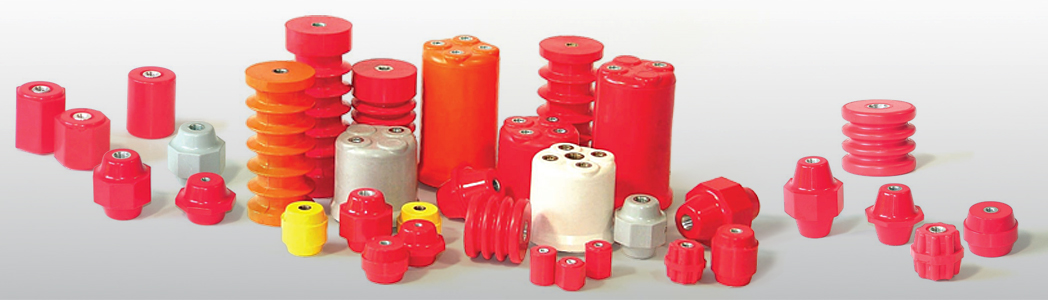
The Critical Role of Standoff Insulators in Data Centers
The rapid expansion of artificial intelligence (AI), cloud computing, and hyperscale data centers has significantly increased global electricity demand. Modern data centers must support higher power densities and increased processing loads while maintaining near-zero downtime, strict safety compliance, and energy efficiency