
thyssenkrupp Engineered Plastics
The Future of Product Traceability: Why Laser Etching is Replacing Adhesive Labelsby Stephan Hochheiser
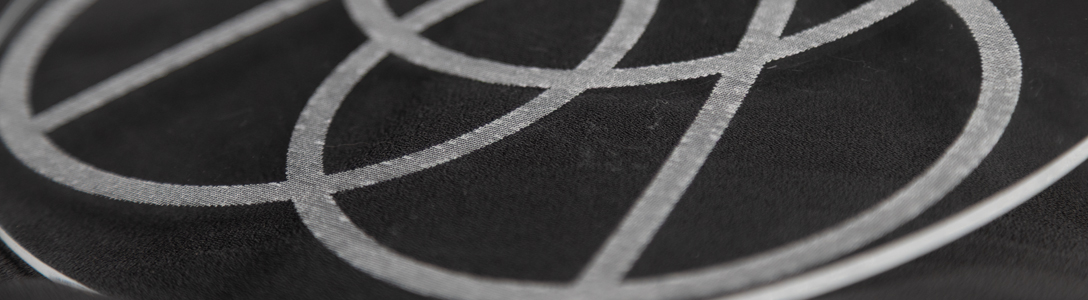
Product identification has evolved into far more than a functional detail in today’s highly regulated, data-driven manufacturing environment. It now serves as a safeguard for traceability, a requirement for compliance, and a crucial element in protecting brand integrity. As manufacturers seek out more permanent, efficient, and tamper-resistant solutions, laser etching is quickly replacing adhesive labels and ink-based methods across a wide range of industries.
Why Marking Matters: Traceability, Safety, and Trust
Product markings show information about a part’s origin, production date, manufacturer, and regulatory approvals. Laws often require identifiers. Even when not mandated, they play an essential role in ensuring reliability, confirming warranties, supporting product recalls, and defending against counterfeiting. Clear, lasting markings build trust across the supply chain and with end users.
Adhesive labels and ink-based marking methods have historically filled this role but are not without limitations. Over time, they can peel, fade, or degrade when exposed to moisture, heat, chemicals, or friction. In environments where durability and permanence are essential, these shortcomings can compromise traceability and create unnecessary risk. Laser etching addresses these issues by delivering permanent markings that stay intact throughout the life of a product.
Laser Etching: A Durable and Precise Alternative
Laser etching uses a focused beam of light to selectively melt or heat the surface of a plastic part. The result is a permanent, tamper-resistant mark that withstands environmental challenges without adding materials or requiring consumables.
Unlike ink or labels that can wear away, laser-etched markings are resistant to water, chemicals, heat, and mechanical wear. They do not smudge, peel, or degrade, making them ideal for high-performance applications. Because the process is non-contact, there is no physical stress to the part and no risk of contamination, a key factor in industries where cleanliness and precision are essential.
Laser etching offers unmatched accuracy, capable of rendering barcodes, serial numbers, and intricate graphics with consistency and clarity. This method virtually drops the risk of misidentification due to missing or damaged labels, helping to streamline production and quality control processes.
Industries Driving the Shift to Laser Etching
Industries where performance, safety, and reliability are non-negotiable are leading the move toward laser etching. In these environments, plastic components must carry markings that endure over time and through challenging conditions. From medical and automotive to aerospace and industrial machinery, manufacturers are turning to laser etching to meet their evolving needs.
Medical: Precision, Sterility, and Regulatory Compliance
The medical industry relies heavily on plastics due to their versatility, affordability, and resistance to wear. Manufacturers use plastics in a wide range of products, from disposable items like syringes and IV tubing to long-term devices such as insulin pumps and implants. For traceability and compliance purposes, it is often necessary to permanently mark plastic components.
Laser etching provides a clean, precise method to add serial numbers, barcodes, logos, and other essential information to medical-grade plastics. This non-contact solution does not introduce contaminants or alter the chemical integrity of the part. This is especially important for components that undergo repeated sterilization or come into direct contact with the human body.
Stringent regulations, such as the FDA’s Unique Device Identification (UDI) system and Europe’s Medical Device Regulation (MDR), require permanent markings to ensure traceability and safety throughout a device’s lifecycle. Laser-etched marks are tamper-resistant and durable, capable of withstanding cleaning, handling, and sterilization cycles.
Automotive: Built to Withstand the Road Ahead
Modern automobiles rely heavily on plastic for everything from dashboards and control panels to under-hood components and lighting assemblies. Manufacturers must clearly identify these parts to support safety regulations, manufacturing quality assurance, and global recall systems.
Laser etching allows automakers to apply durable, high-resolution markings directly onto molded parts. These identifiers can withstand the rigors of thermal cycling, oil exposure, mechanical stress, and vibration: all common conditions in automotive environments.
Beyond functional markings, laser etching also enables aesthetic enhancements. Automakers can use it to add logos and decorative features to interior elements such as windows and trim pieces, combining brand expression with functional traceability. In an industry where design complexity continues to grow, laser etching supports both visual precision and operational efficiency.
Aerospace and Defense: Secure Identification for Mission-Critical Components
In aerospace and defense, component identification is a matter of safety and national security. Manufacturers use plastic materials extensively for their strength-to-weight ratio and resistance to corrosion, appearing in plane interiors, wiring harnesses, and even high-performance engine parts.
Each of these components must be traceable through its entire lifecycle, often through decades of service. Labels and ink markings can degrade under the stress of UV exposure, vibration, and extreme temperatures. Laser etching, by contrast, provides markings that stay legible and intact under the most demanding conditions.
For defense manufacturers, laser etching offers an added layer of protection against counterfeiting. This technology allows for the direct etching of microtext, serialized identifiers, and encrypted barcodes into components, ensuring only approved parts enter critical systems. This capability supports compliance with rigorous standards while securing the integrity of the supply chain.
Industrial Machinery: Reliable Marking in Harsh, High-Speed Environments
Manufacturers of industrial machinery face constant challenges in maintaining clarity and consistency of part identification. Components such as enclosures, machine guards, connectors, and control interfaces often work in environments filled with dust, grease, heat, and vibration.
In these settings, laser-etched markings offer a critical advantage. They stay readable through harsh conditions, supporting everything from assembly line accuracy to field maintenance. Safety labels and part numbers stay intact even after repeated exposure to friction, chemicals, and temperature fluctuations.
Considerations Before Laser Etching
Laser etching offers many advantages, its success depends heavily on selecting the right combination of material and technology. Not all plastics respond the same way to laser energy. Factors such as the base polymer, colorants, flame retardants, UV stabilizers, and other additives can influence the quality and clarity of the mark. Equally important is choosing a laser system that properly matches the material’s properties to avoid defects such as discoloration or charring.
Plastics Most Suitable for Laser Etching
The type of plastic used plays an important role in how effective laser etching can be. Each material has specific characteristics that affect clarity, durability, and safety.
Acrylic, known for its optical clarity and smooth surface, consistently delivers sharp, clear markings, making it a popular choice for signage, displays, and branded components. Polycarbonate, valued for its impact resistance and durability, can also be laser etched effectively. However, its higher heat resistance typically demands greater laser power to achieve clear, legible marks.
Other plastics, like Delrin® (Acetal) and PET (Polyethylene Terephthalate), also perform well under laser etching. Delrin’s strength, wear resistance, and dimensional stability make it ideal for mechanical parts requiring permanent identification. PET, commonly used in packaging and labeling, responds well to laser energy, allowing for durable, precise marks without compromising material integrity.
While many plastics can be laser etched, results can vary depending on their specific composition, color, and thickness. In general, clear, or lightly colored plastics yield the best outcomes. Careful material selection is essential not only for achieving sharp, durable marks but also for maintaining safety and efficiency during processing.
Different Types of Lasers
Choosing the right type of laser is just as important as selecting the proper material. For most plastic applications, CO₂ laser systems are the preferred technology. They offer excellent precision and sufficient power to engrave or cut plastics cleanly, making them ideal for creating everything from intricate surface markings to deeper cuts when needed. At thyssenkrupp Engineered Plastics, we use a CO₂ laser system to provide high-quality etching across a wide variety of plastic components.
Manufacturers less often use other types of lasers, such as fiber lasers and diode lasers for plastics. Fiber lasers are better suited to harder materials like metals, glass, and ceramics, where they produce extremely fine, detailed markings. Diode lasers, on the other hand, often lack the energy output necessary for deep or permanent markings on plastics and usually perform shallow surface engraving.
Simplifying Manufacturing Processes with Laser Etching
From enhancing traceability in the medical field to branding in automotive applications, laser etching is redefining how industries mark plastic components. Its ability to deliver permanent, high-contrast markings makes it an indispensable tool for manufacturers in today’s fast-paced, quality-driven environment.
At thyssenkrupp Engineered Plastics, we help manufacturers leverage the full potential of this technology by offering laser etching as a value-added service. Combined with other capabilities like waterjet cutting, we deliver ready-to-use components tailored to exact specifications – all from a single, trusted source.
As industries move away from temporary labels and toward performance-driven, permanent solutions, laser etching stands out as an efficient and future-ready option.
Contact thyssenkrupp Engineered Plastics today to discover how laser etching can elevate your production processes and help position your business for long-term success.
Have Questions? We’re Here to Help
Need more details about the materials, products, or services on this page? Fill out the form below, and one of our experts will provide the answers you’re looking for. Whether you need a custom quote or guidance on the right material for your project, we’re ready to assist.

How Automation is Revolutionizing Engineered Plastics
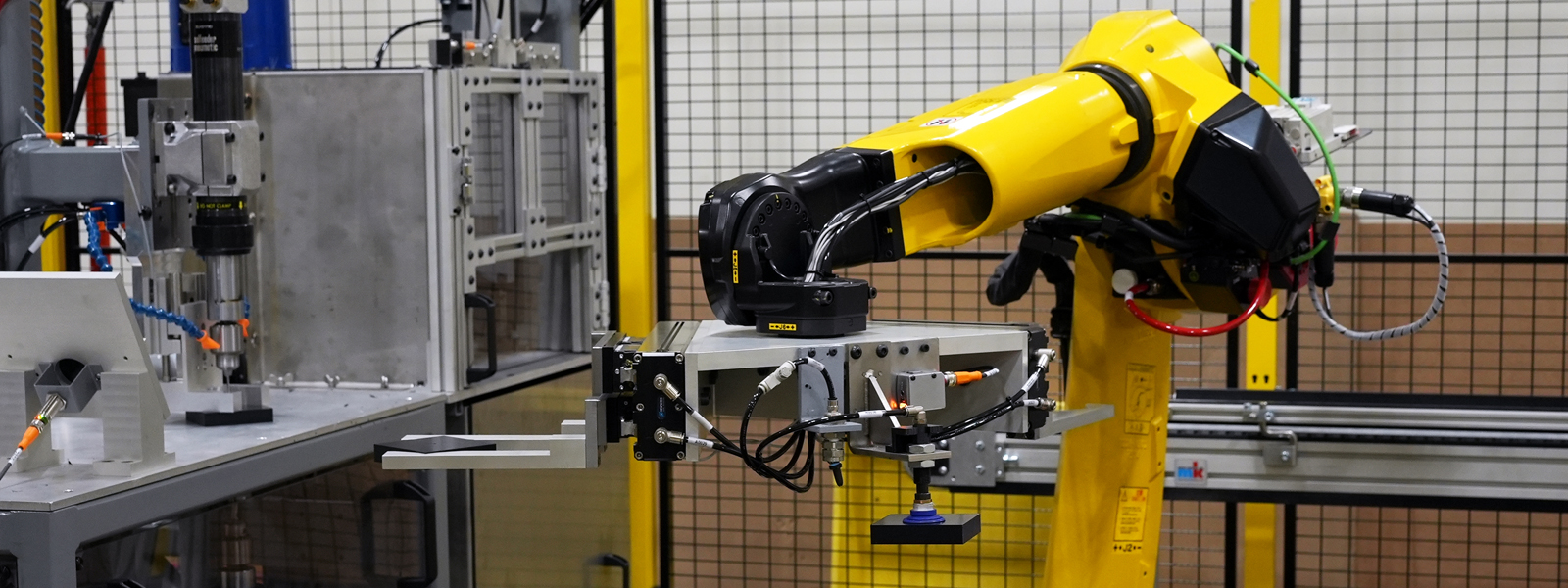
Traditionally, plastics are cut using shaper cell machinery that requires three operators in a tedious process. This process is time consuming and labor intensive, reducing efficiency and increasing cost for the customer. Enter automation - a robot run cell that increases value and efficiency, produces better margins for products, and reduces the number of operators needed allowing them to focus on more rewarding work and valuable skill advancement. This machine drives innovation and safety, providing a whole new realm of opportunities for engineered plastics and reaching new heights in services provided to customers.