
thyssenkrupp Engineered Plastics
Extreme Conditions, Engineered Solutions: Plastics for the Oil and Gas Industryby Chris Urban

From deep-sea drilling to high-temperature refining, every stage of oil and gas operations is a test of material endurance. Equipment faces relentless challenges: extreme pressures thousands of feet below sea level, aggressive chemical exposure, and the constant threat of corrosion in saltwater-rich environments. Unlike many industries that can manage downtime, the oil and gas sector faces potentially devastating losses from even minor failures. Companies often conduct maintenance in remote or offshore locations where logistics are difficult, expensive, and time-consuming. This makes material reliability not just a performance factor but a business-critical requirement.
As the energy landscape evolves, these challenges are intensifying. The industry is not only pushing deeper into harsher geological formations but is also expanding into new domains such as liquefied natural gas (LNG) export terminals, carbon capture and storage infrastructure, and hydrogen production facilities. Each of these frontiers brings unique engineering demands, from cryogenic sealing systems to high-pressure hydrogen environments that push materials beyond traditional limits. At the same time, operators are under pressure to improve safety, extend asset lifespans, and reduce environmental risk. The demand for resilient, high-performance components has never been greater.
Engineered Plastics: More Than Metal Substitutes
Engineered plastics are rising to meet these demands with capabilities that extend far beyond serving as lightweight replacements for metal. Advanced polymers provide a combination of chemical resistance, thermal stability, mechanical strength, and low-friction performance that unlocks new design possibilities. By reducing corrosion, friction, and fatigue-related failures, these materials enable oil and gas companies to achieve higher efficiency, improved safety, and greater overall reliability across their operations.
Instead of simply matching the durability of metals, engineered plastics empower engineers to rethink how they design and optimize systems. They allow for:
- Compact, lightweight tools that reduce deployment times and enable deeper well access.
- Extended service life through superior resistance to chemical attack and mechanical wear, lowering maintenance costs.
- Smarter integration of sensors, electronics, and thermal management within compact, durable housings.
- Safety and sustainability gains, including flame-resistant components and reduced energy losses in friction-intensive systems.
By shifting the focus from reactive maintenance to proactive design innovation, plastics are becoming a cornerstone of how oil and gas equipment evolves for next-generation energy operations.
Driving Innovation at the Core of Energy Systems
In oil and gas, performance breakthroughs often hide in plain sight. Small components like seals, bushings, valve seats, wear rings, and insulators are mission-critical in determining whether equipment performs reliably in punishing environments. When one of these small parts fails, the performance of the whole system is at risk.
Engineered plastics have become indispensable for these applications because they provide unique advantages where metals and other traditional materials fall short. They resist aggressive chemicals like hydrogen sulfide, maintain structural integrity under extreme pressure, and deliver reliable sealing across wide temperature ranges. For designers, this opens a new realm of possibilities in compact, lightweight, and highly efficient system architecture.
How Engineered Plastics Enable Next-Generation Energy Operations
Materials such as DuPont™ Vespel®, PEEK, PTFE, PPS, and Ultem® have been tailored for the industry’s toughest challenges with proven performance in some of the harshest operating conditions on the planet.
Reliability in Harsh Environments
Reliability is the single most important performance metric in oil and gas. Equipment failures in this sector can halt production, trigger costly downtime, and create serious safety and environmental risks. Every component, from subsea connectors to downhole seals, must perform flawlessly under some of the harshest conditions on earth.
Polymers such as PEEK withstand both hydrogen sulfide exposure and saltwater immersion while maintaining dimensional stability under high pressure. This makes them ideal for subsea connectors, seals, and components in sour gas environments. PTFE, by contrast, ensures sealing integrity in LNG operations by delivering unmatched chemical resistance and stability in cryogenic conditions. By integrating these materials into critical systems, operators extend maintenance cycles, reduce unscheduled downtime, and safeguard mission-critical assets.
Efficiency Through Low-Friction Design
Every pump, compressor, and valve has countless points of contact where friction saps efficiency and accelerates wear. High-performance plastics like Vespel® minimize drag in bushings, bearings, and seals, reducing stick-slip behavior and lowering energy consumption. PTFE’s naturally low coefficient of friction compounds these benefits, helping large-scale operations realize measurable efficiency gains. For operators managing fleets of pumps or compressors, even small efficiency improvements translate into substantial cost savings and sustainability benefits.
Safety and Risk Reduction
Safety is another non-negotiable in oil and gas. Engineered plastics deliver built-in protection that metals cannot match. PPS offers inherent flame resistance and chemical durability, making it suitable for structural supports, rings, and housings in high-risk environments. Ultem® provides dual protection as both a thermal and electrical insulator, safeguarding sensitive downhole sensors and electronic connectors. By embedding these safety features into the materials themselves, operators reduce risks of catastrophic failures, enhance worker safety, and improve asset integrity.
Enabling the Energy Transition
The global shift toward lower-carbon solutions demands materials that can perform reliably in both legacy systems and next-generation energy infrastructure. In LNG export and transport, Vespel® maintains seal integrity at cryogenic temperatures. In hydrogen production, storage, and transport, it also plays a critical role in sealing applications, while Ultem® provides durable housings for sensors and monitoring equipment. These advanced polymers go beyond supporting the transition; they enable it by delivering reliability in emerging technologies where conventional materials fall short.

These combined benefits allow operators to streamline operations, minimize downtime, and improve cost efficiency while maintaining uncompromising performance standards.
High-Performance Plastic Solutions for the Oil and Gas Industry
At thyssenkrupp Engineered Plastics, we work with the world’s leading manufacturers to supply the high-performance polymers that power modern oil and gas systems. From exploration to production, we engineer our materials for critical applications including thrust washers, downhole tools, electrical housings, flow control components, frac balls, seals, pumps, mud motors, and more.
Our deep expertise in both material science and processing enables us to help customers design lighter, stronger, and more resilient solutions for the most demanding energy environments. By combining our global supply chain strength with advanced machining and value-added services, we enable our customers to accelerate performance and increase value in every phase of their operations.
Discover what’s possible with high-performance plastics. Contact thyssenkrupp Engineered Plastics today to explore how our engineered materials can support your next innovation.
Have Questions? We're Here to Help
Ultem® is a registered trademark of SABIC and is used here solely for informational and reference purposes. All rights to the Ultem® trademark remain the exclusive property of SABIC.
Use of the Ultem® name does not imply any ownership or rights by thyssenkrupp Materials NA over this trademark or its associated products.
Vespel® is a registered trademark of DuPont™ and is used here solely for informational and reference purposes. All rights to the Vespel® trademark remain the exclusive property of DuPont™. Use of the Vespel® name does not imply any ownership or rights by thyssenkrupp Materials NA over this trademark or its associated products.
DuPont™, the DuPont Oval Logo, Vespel® are trademarks or registered trademarks of DuPont or its affiliates. Copyright © DuPont de Nemours Inc.

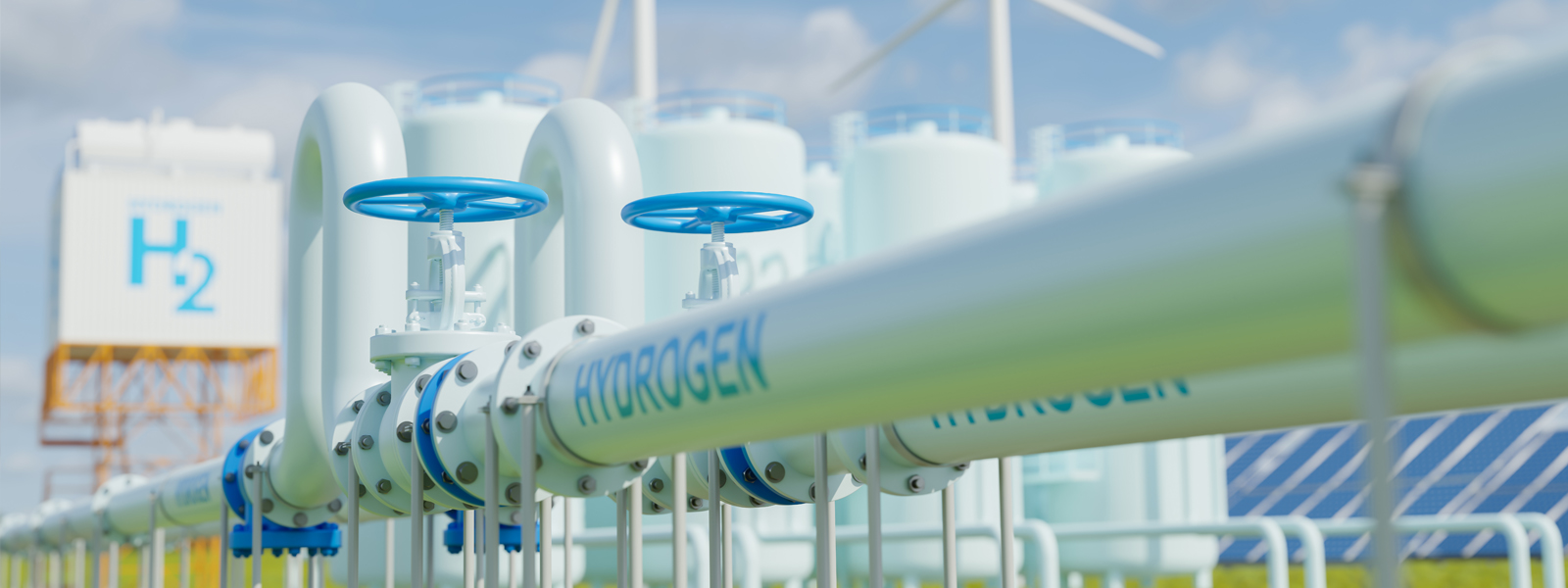
Advancing Hydrogen Fuel Cells for a Sustainable Energy Future with DuPont™ Vespel®
As the world intensifies efforts to curb carbon emissions and shift towards renewable energy, hydrogen fuel cells have emerged as a promising solution. However, harnessing hydrogen's potential comes with unique challenges, including storage and transportation under extreme conditions. This article explores the pivotal role of DuPont™ Vespel®

The Role of GPO in Power Distribution and Modern Data Centers
The demand for high-performing, energy-efficient power distribution systems to power and secure data centers is growing exponentially as businesses adapt to a digital-first world. These critical facilities must meet the increasing demands of data processing and storage while ensuring sustainable, dependable, and safe operations
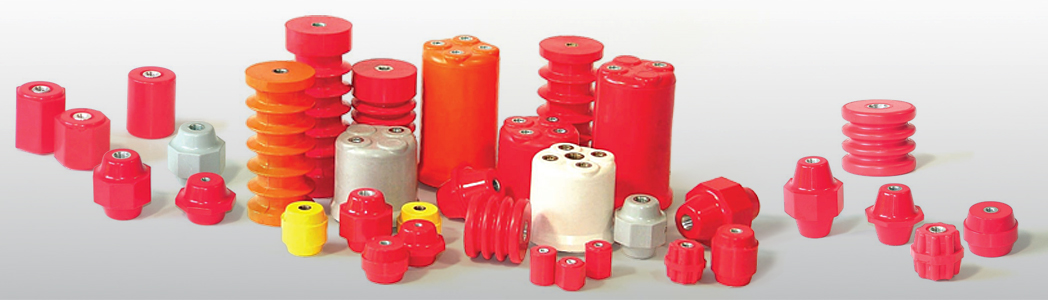
The Critical Role of Standoff Insulators in Data Centers
The rapid expansion of artificial intelligence (AI), cloud computing, and hyperscale data centers has significantly increased global electricity demand. Modern data centers must support higher power densities and increased processing loads while maintaining near-zero downtime, strict safety compliance, and energy efficiency