
thyssenkrupp Engineered Plastics
Engineered Plastics in Aerospace: Lightweight Materials Driving Innovationby Scott Burnett

The aerospace industry continues to evolve in its pursuit of safer, more fuel-efficient aircraft. As engineers and OEMs respond to increasing performance demands, material selection is undergoing unprecedented scrutiny. Amid this shift, one class of materials has moved far beyond serving as a substitute for metal and has emerged as a key driver of aerospace innovation: engineered plastics.
Since the 1970s, the use of plastics in aircraft has grown from just 4% of total component weight to as much as 50% in modern platforms such as the Boeing 787 and Airbus A350. This dramatic increase reflects a fundamental transformation within the industry. Engineered plastics are no longer simply lightweight alternatives; they are drivers of performance, efficiency, and sustainability.
At thyssenkrupp Engineered Plastics, we support this evolution by supplying aerospace-grade plastics that meet the industry’s most demanding performance, safety, and regulatory requirements. Backed by deep materials expertise and a commitment to quality, we enable aerospace manufacturers to design lighter, more reliable systems across air and space platforms.
The Evolution of Plastics in Aerospace
Advancements in polymer science have significantly expanded the capabilities of plastics, resulting in materials with enhanced mechanical strength, thermal stability, and chemical resistance. These developments have enabled engineered plastics to take on roles once dominated by metal, particularly in secondary structures and critical aircraft systems.
Today, engineers integrate plastics throughout the aircraft – from ducting and insulation to brackets, housings, and even select engine components. While metals remain essential for primary load-bearing structures, engineered plastics have become indispensable for meeting the weight reduction, reliability, and sustainability targets that define modern aerospace design.
Engineered Plastics Enable Today’s Most Advanced Aerospace Systems
By combining lightweight performance, durability, and compliance with stringent aerospace standards, engineered plastics support nearly every system across modern aircraft and spacecraft.
Cabin and Interior Systems
Within passenger environments, engineered plastics deliver both structural performance and an enhanced passenger experience. Materials such as Boltaron®, a durable PVC/acrylic blend, are widely used in tray tables, seat shells, window reveals, and overhead bins. These materials offer excellent formability while meeting strict flame, smoke, and toxicity (FST) requirements. They also enable greater design flexibility, antimicrobial surface options, and refined aesthetics that help airlines differentiate their cabin environments.
Even seemingly simple components highlight the value of engineered plastics. Aircraft-grade polycarbonate mirrors, for example, are significantly lighter and safer than glass, while providing inherent flame retardance and high impact resistance. Throughout the cabin, plastics reduce weight while improving durability, safety, and passenger comfort.
Structural and Mechanical Components
In mechanically demanding applications, high-performance thermoplastics are increasingly replacing metal components to reduce weight, improve mechanical efficiency, and extend service life. DuPont™ Vespel® exemplifies this shift. Its exceptional strength, low friction, and tight dimensional stability make it well suited for bushings, seals, washers, and wear surfaces operating under extreme thermal and mechanical stress.
Within jet engines, manufacturers rely on Vespel® for abradable seals, wear strips, unison ring supports, and thrust-reverser components – applications where stability during rapid temperature cycling is critical. In these environments, engineered plastics provide a path to improved performance without compromising safety margins.
Propulsion and Engine Externals
Propulsion systems expose materials to intense vibration, corrosive fluids, rapid temperature changes, and high mechanical loads. High-performance plastics such as Vespel® and PEEK have become standard choices for components including tube clamps, ferrules, seals, electrical insulators, and sensor housings.
PEEK’s outstanding strength-to-weight ratio enables it to replace aluminum or stainless steel in compact, corrosion-resistant brackets and housings. Vespel® further enhances reliability through self-locking fastener inserts that maintain secure connections despite repeated thermal cycling. Together, these materials support safer, lighter, and more efficient engine designs.
Spacecraft and High-Altitude Applications
Beyond aviation, spacecraft and high-altitude platforms rely heavily on engineered plastics, where materials must withstand radiation exposure, vacuum conditions, and extreme thermal swings. Vespel® is commonly used in spacecraft bushings, thermal isolators, seals, and structural supports due to its low outgassing, dimensional stability, and resistance to radiation.
These missions demand components that maintain mechanical integrity over long durations without lubrication or maintenance. As space systems grow more complex and mission profiles extend, engineered plastics continue to prove indispensable for reliable, mission-critical performance.
The Strategic Advantages of Engineered Plastics in Aerospace
Weight reduction remains one of the most powerful drivers behind the adoption of engineered plastics in aerospace. Replacing metal components with plastic materials improves fuel efficiency, extends range, and increases payload capacity. Over an aircraft’s service life, these gains translate directly into lower operating costs and reduced emissions.
Yet the advantages of engineered plastics extend well beyond weight savings.
Performance Advantages of Plastics
Engineered plastics deliver a blend of mechanical performance and functional benefits that accelerate innovation across aircraft systems:
- Mechanical Strength and Stability: High-performance thermoplastics provide excellent strength, fatigue resistance, and dimensional stability under sustained thermal and mechanical loads.
- Environmental Resistance: These materials naturally resist corrosion, vibration, and chemical exposure – critical attributes in harsh aerospace environments.
- Integrated Functionalities: Built-in electrical insulation, flame retardance, thermal management, low friction, and dry-running capabilities make plastics suitable for bearings, electrical components, connectors, and advanced sensor systems.
Together, these attributes allow engineers to design components that are lighter, smarter, and more reliable – supporting mission profiles that demand both efficiency and endurance.
Safety, Compliance, and Long-Term Durability
Aerospace materials must meet uncompromising requirements for flame retardance, toxicity, impact resistance, and mechanical integrity under extreme conditions. Engineered plastics are specifically formulated to satisfy these standards while maintaining long-term durability.
Their ability to withstand thermal cycling, high pressures, impact, and chemical exposure makes them well suited for both commercial and defense applications. By delivering safety and reliability without unnecessary mass, engineered plastics help manufacturers achieve performance goals while maintaining strict regulatory compliance.
Driving Innovation in Sustainability and Circular Manufacturing
Engineered plastics play a critical role in enabling more environmentally responsible design. Their long service life reduces replacement frequency and material waste, while many high-performance thermoplastics support circular manufacturing models. Because these materials can be reheated and reprocessed with minimal loss in performance, they enable closed-loop production practices that reduce scrap, improve resource efficiency, and support a more sustainable lifecycle across the aircraft.
Enabling Clean Propulsion: Plastics in Hydrogen Fuel Cell Systems
Emerging propulsion technologies represent one of the most exciting frontiers for engineered plastics. Hydrogen fuel cells, an increasingly viable pathway to zero-emission flight, depend on materials capable of withstanding extreme temperatures, pressures, and chemical environments.
Hydrogen’s small molecular size presents unique challenges for sealing and containment. High-performance thermoplastics such as Vespel® deliver exceptional thermal and mechanical stability, reliable sealing performance, and resistance to high pressures and rapid temperature fluctuations.
Together, these properties make engineered plastics essential to the safe and efficient operation of next-generation hydrogen propulsion systems. As the aerospace industry advances toward cleaner flight, engineered plastics are not simply supporting sustainability, they are actively enabling it.
Powering the Future of Flight and Space Exploration
Aerospace is at a pivotal moment. Materials must do more than meet specifications; they must enable true technological transformation. At thyssenkrupp Engineered Plastics, we are proud to support this evolution with high-performance thermoplastics that deliver the strength, thermal stability, and weight reduction today’s aircraft and spacecraft demand.
From commercial aviation and defense platforms to satellites and launch systems, our engineered plastics help customers push the boundaries of performance. Whether advancing hydrogen-powered flight, improving engine efficiency, or reimagining lightweight structural components, our materials and technical expertise empower engineers to design with confidence.
The plastics highlighted in this article represent just a portion of our certified aerospace-grade solutions. Backed by deep materials knowledge and a strong commitment to quality, we enable engineers to develop lighter, safer, and more sustainable air and space systems. If you’re exploring next-generation propulsion, enhancing critical components, or developing new aerospace innovations, we’re here to support your vision.
Connect with us to discover how engineered plastics can elevate your applications and help power the next era of flight.
DuPont™ Vespel® is a registered trademark of DuPont™ and is used here solely for informational and reference purposes. All rights to the Vespel® trademark remain the exclusive property of DuPont™. Use of the DuPont™ Vespel® name does not imply any ownership or rights by thyssenkrupp Materials NA over this trademark or its associated products.
DuPont™, the DuPont Oval Logo, and Vespel® are trademarks or registered trademarks of DuPont or its affiliates. Copyright © DuPont de Nemours Inc.
Boltaron® is a registered trademark of SIMONA Boltaron Inc. and is used here solely for informational and reference purposes. All rights to the Boltaron® trademark remain the exclusive property of SIMONA Boltaron Inc. Use of the Boltaron® name does not imply any ownership or rights by thyssenkrupp Materials NA over this trademark or its associated products.
Ultem™ is a registered trademark of SHPP GLOBAL TECHNOLOGIES B.V. and is used here solely for informational and reference purposes. All rights to the Ultem™ trademark remain the exclusive property of SHPP GLOBAL TECHNOLOGIES B.V. Use of the Ultem™ name does not imply any ownership or rights by thyssenkrupp Materials NA over this trademark or its associated products.

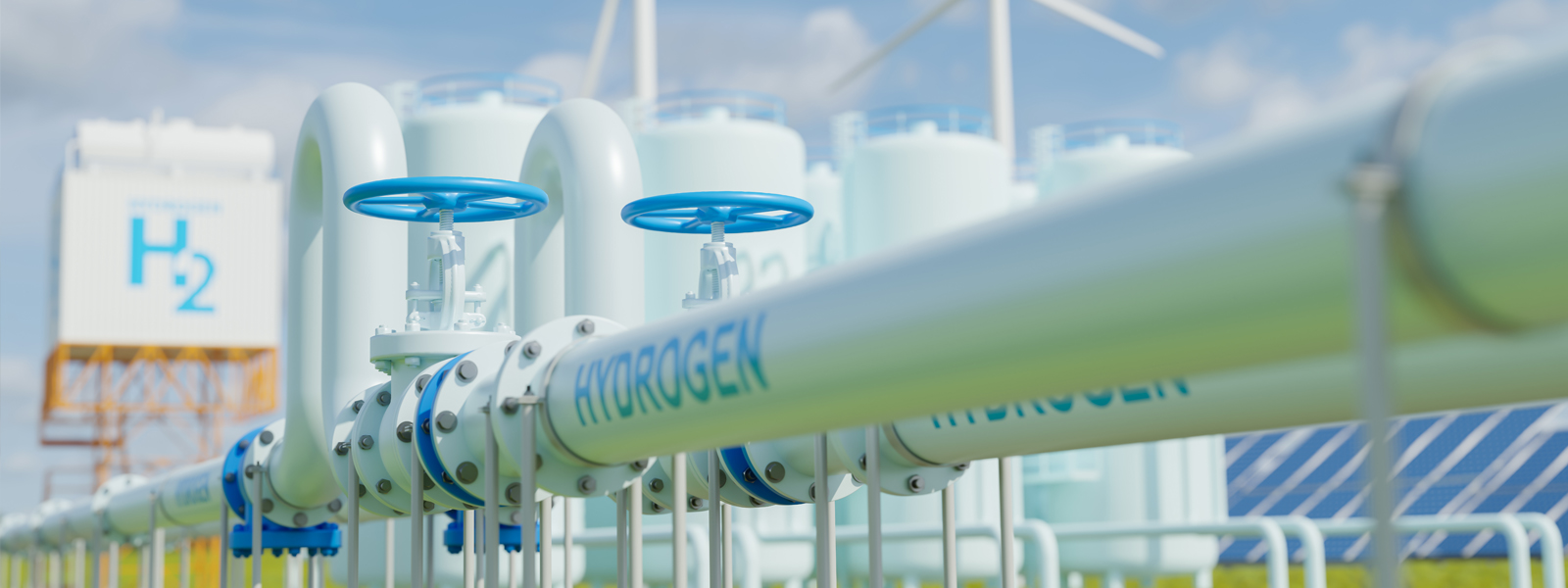
Advancing Hydrogen Fuel Cells for a Sustainable Energy Future with DuPont™ Vespel®
As the world intensifies efforts to curb carbon emissions and shift towards renewable energy, hydrogen fuel cells have emerged as a promising solution. However, harnessing hydrogen's potential comes with unique challenges, including storage and transportation under extreme conditions. This article explores the pivotal role of DuPont™ Vespel®

Qualifying Plastics for Aircraft & Aerospace: Certification, Compliance, and Confidence
In the aerospace industry, where innovation is constant and margins for error are nonexistent, material selection is more than a technical decision...

Benefits of DuPont™ Vespel® in Aerospace
The aerospace and space industries are rapidly advancing and new engineering challenges demand materials that can withstand the extreme temperatures, high stress, and harsh environmental conditions aircrafts and spacecrafts are exposed to. DuPont™ Vespel®, a high-performance polyimide, stands out as a material that meets these rigorous requirements